
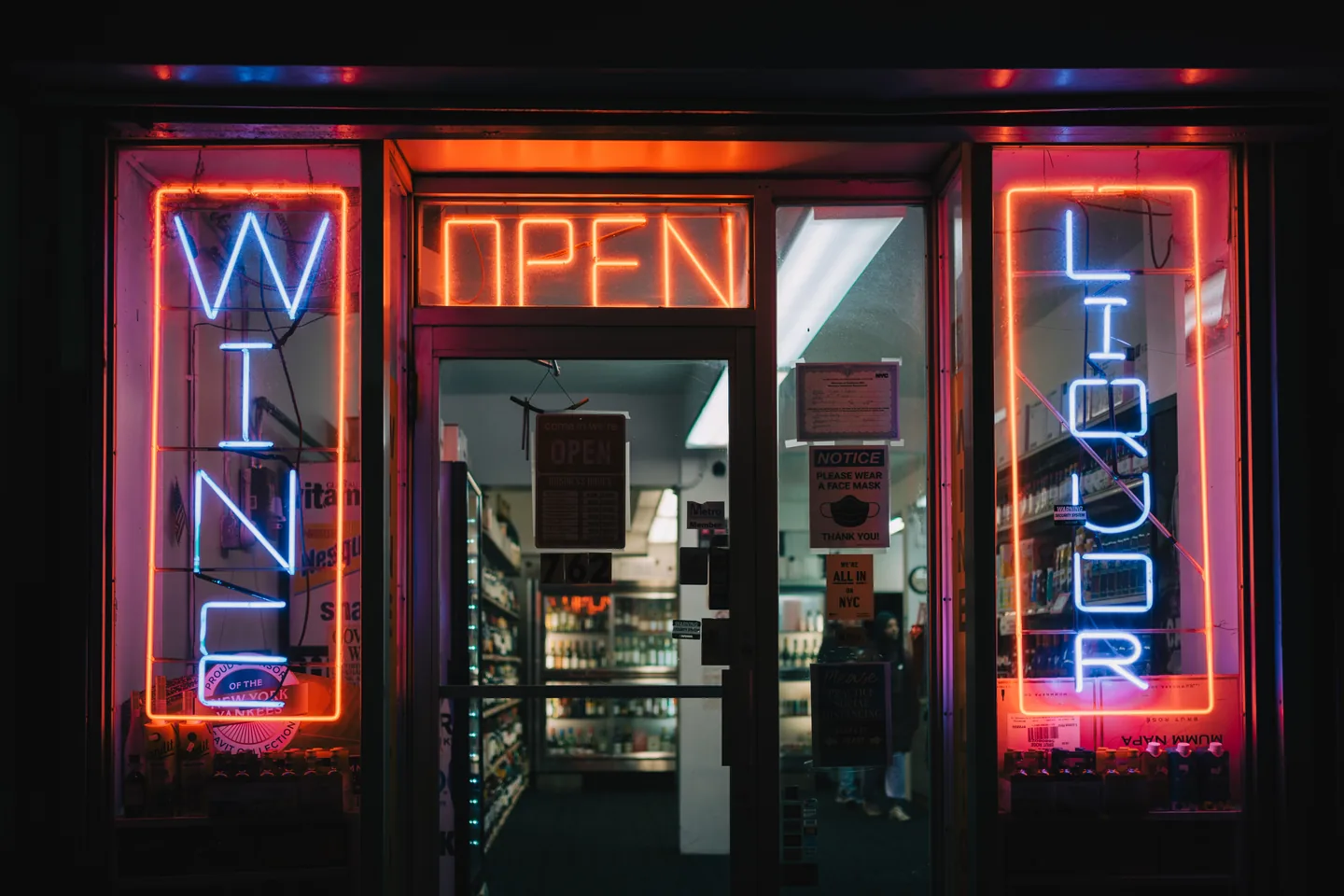

This is the shortest state page on the site, and the reason is worth more to you than the length we could have padded it to. Of the seven things we research before writing about a state, Ohio gave us three. The other four could not be read from a primary source this run, so they are not written about at all.
Ohio runs two channels at once
The division describes its own remit plainly: it regulates and licenses the manufacture, distribution, transportation and sale of beer, wine, mixed beverages and spirituous liquor in the state. Then it adds the sentence that separates Ohio from a plain licence state — it also manages the distribution and sale of spirituous liquor through state liquor locations.
So the spirits channel and the beer-and-wine channel are structurally different animals here. One is run through state outlets. The other reaches the public through privately held retail permits. Which of the two your business sits in determines what is standing on your shelves, what your stock is worth on any given day, and therefore what a property section is actually rating. Whether declared stock values still match what is on the floor is the question the property side turns on, and a split market makes it easier to get wrong.
The retail store carryout permits
The division publishes the classes as retail store carryout permits, and records them as subject to quota. One class covers beer only, in the original sealed container, for carry-out. A second covers wine and mixed beverages, in sealed containers, also for carry-out. Each carries a stated cut-off, with sales permitted only until one o’clock in the morning.
Three words in there do the insurance work. Sealed means nothing is opened, poured or served on your floor. Carry-out means the alcohol exposure sits at the transaction rather than across an evening of service. And quota means the permit itself is a constrained asset — worth knowing when you are thinking about what a total loss of the premises would actually cost you to recover from, which is a business-interruption conversation rather than a building one.
The cut-off hour matters more than it looks. A store trading into the early hours is working the part of the night when identification checking is hardest and staffing is thinnest, and an underwriter reading your hours is reading exactly that. The ordinary retail exposure underneath all of this — falls, displays, the lot — sits on general liability, whose alcohol exclusion is why a separate liquor form exists at all.
Four Ohio answers the sources would not give
Four things, named rather than glossed.
Whether Ohio gives an injured third party a civil action against a seller, and on what terms. The statute host refused connection on every attempt from two independent network paths, and the legislature site returned nothing for the code paths we tried. So no description of Ohio civil liability appears above, and none should be inferred from its absence — an unread statute is unread, not empty.
Whether a permit carries any insurance condition. Searched across the permit-class and division pages, not located. The division issues your permit and can tell you.
How workers compensation is secured in this state. The pages we reached carried navigation and no operative text, one document returned a server error, and the statute sections were unreachable. This one is deliberately left blank rather than filled from general knowledge, because the general knowledge about this particular state is exactly the kind that is confidently held and easy to get wrong. What the workers compensation line does is described generally there; how Ohio requires it to be obtained is not stated here.
And who regulates insurance here. The obvious candidate returned a not-found response at its root when we tried it, so no regulator is named on this page. That will read as excessive to some people. It is the same discipline that makes the three statements we did make worth something.
What an underwriter still asks an Ohio store
None of the gaps above changes the submission. Shelf mix and where the value sits. Trading hours, which in this state run to a stated early-hours cut-off and make the last stretch of the night a real underwriting question. The identification and refusal procedure matters here in a particular way: it is the part of the file an underwriter can still read when the statute host cannot be reachedonths later. Delivery, which adds a vehicle and moves the check to a doorstep. Building age and construction. And the loss and compliance record, including the checks you passed. A van on a winter road sits on commercial auto; the hand-off at the end of the route does not. And the liquor liability question is decided by your exposure rather than by a state mandate we could not locate.
Major Ohio liquor store markets
Columbus and the campus corridor
One of the largest resident student populations in the country sits beside a dense retail frontage, and the carry-out trade there runs at volumes that make age checking the entire job of the counter rather than an occasional part of it. Staff turnover follows the academic year, so the procedure is being taught to somebody new for most of the calendar.
Cleveland and the older lakefront building stock
Pre-war commercial units, frequently converted, often with occupied floors above and storage below. Property questions here open at the roofline and the basement rather than at the shelf, and lake-effect winter puts melt through the door for months at a stretch, which is where the fall claims come from.
The Appalachian south-east and the river counties
Towns sit far apart on winding secondary roads, and a single carry-out often serves a catchment measured in valleys. Delivery legs run long and slow, so the vehicle line does proportionally more work in a programme here than in either metro, and a heating failure in an outbuilding stock room is a live freeze exposure.
Cincinnati and the river crossings
Cincinnati sits where three states meet, so a store near the river competes against two other regulatory regimes and sees credentials from all three across the counter. Cross-border trade also means a customer comparing price and selection against a different set of rules rather than against the shop down the road. The identification step is slower for the range of formats alone, and that is before any question of volume.
Toledo and the north-west corner
The north-west corner sits on the I-75 freight route between two metros, so a meaningful share of the trade is transient rather than resident. Transient trade is the harder kind to serve well: the customer is unfamiliar, the credential is usually out-of-state, and the transaction is quick. Lake Erie summer traffic adds a second, seasonal peak on top of it, which is where a store staffed for the resident average is most exposed.
Dayton and the Miami Valley
The Miami Valley carries a large installation payroll alongside a settled residential trade, which widens the range of identification documents a clerk handles without raising transaction counts much. The building stock is mixed — purpose-built pads on the newer arterials, converted units in the older centres — so two stores a few miles apart can present very different property questions while running an almost identical liability profile.
Ohio’s neighbours, which say more
Several of Ohio’s neighbours gave up far more of their statute text than Ohio did this run, so these pages say considerably more:
How each Ohio claim on this page was verified
Three rows carry a source. Four do not, and those four are why this page is as short as it is. Nothing above was written from anywhere except these fields. The programme itself, which does not change with the state, is described on the liquor store insurance page.
| Claim on this page | Entry field | Primary source | Status |
|---|---|---|---|
| Spirituous liquor is distributed and sold through state liquor locations | control_state | com.ohio.gov | Verified |
| Retail store carryout permits, subject to quota, cover beer, wine and mixed beverages | off_premises_licence_class | com.ohio.gov | Verified |
| Regulation and licensing sit with the state division of liquor control | abc_agency | com.ohio.gov | Verified |
| No statement is made about civil liability for an alcohol sale | dram_shop_statute | no source recorded | Not verified |
| No permit-level insurance condition was established either way | liability_insurance_required | no source recorded | Not verified |
| No statement is made about how employee cover is secured here | wc_posture | no source recorded | Not verified |
| No insurance regulator is named on this page | doi | no source recorded | Not verified |
The federal layer, and where it stops
The federal layer is short, and it is not optional. 27 CFR Part 31 treats a package store as a retail dealer in liquors and requires registration at each location it trades from. The recordkeeping is where it touches the programme. Under section 31.181 a retail dealer keeps records of receipt, and those records are what an inventory claim is documented from. In Ohio the licence itself comes from the Division of Liquor Control, Ohio Department of Commerce, and the federal registration is separate from it — neither one satisfies the other.
Related reading
Ohio liquor store insurance FAQs
Who regulates liquor retailing in Ohio?
The Division of Liquor Control, inside the state Department of Commerce. Its own description is the useful one: it regulates and licenses the manufacture, distribution, transportation and sale of beer, wine, mixed beverages and spirituous liquor in Ohio. A licensing question about your permit goes there, and this page links the division page it was read from.
Does Ohio sell liquor itself?
For spirituous liquor, yes. The division states that it also manages the distribution and sale of spirituous liquor through state liquor locations. Beer, wine and mixed beverages reach the public through privately held retail permits instead. So Ohio is a split system, and which half of it your business sits in changes what the shelf looks like and what is being insured.
What permit does a carry-out store hold?
The division lists them as retail store carryout permits and records them as subject to quota. One class is for beer only, in the original sealed container, for carry-out. Another is for wine and mixed beverages in sealed containers, also for carry-out. Both carry a stated cut-off time in the early hours. Sealed and carry-out are what make the exposure a retail one.
Does Ohio require a carry-out permit holder to carry liability insurance?
We did not establish that. The permit-class pages and the division pages were searched and no insurance condition was located, and one statute host refused connection on every attempt. Because the division issues the permit, that is the body to ask. What is certain without a mandate is that no state requirement, present or absent, changes the exposure itself.
What about Ohio dram shop law and workers compensation?
This page states nothing about either, because nothing was read from a primary source on either. The statute host refused connection repeatedly and the compensation pages we reached carried no operative text. Both are important enough that a summary written from memory would be worse than a gap, so the gap is left open and marked in the table below.
Does trading next to a state line change what an Ohio store is exposed to?
It changes the identification problem more than anything else. Ohio has several state lines within easy reach of its metros, and a store near a crossing sees credentials from more than one of them in a shift. Unfamiliar formats are checked more slowly and more often wrongly, and that is where the age-verification exposure actually lives. What follows is procedural: written identification procedure, camera retention, and what a clerk is told to do when a document is unfamiliar.