
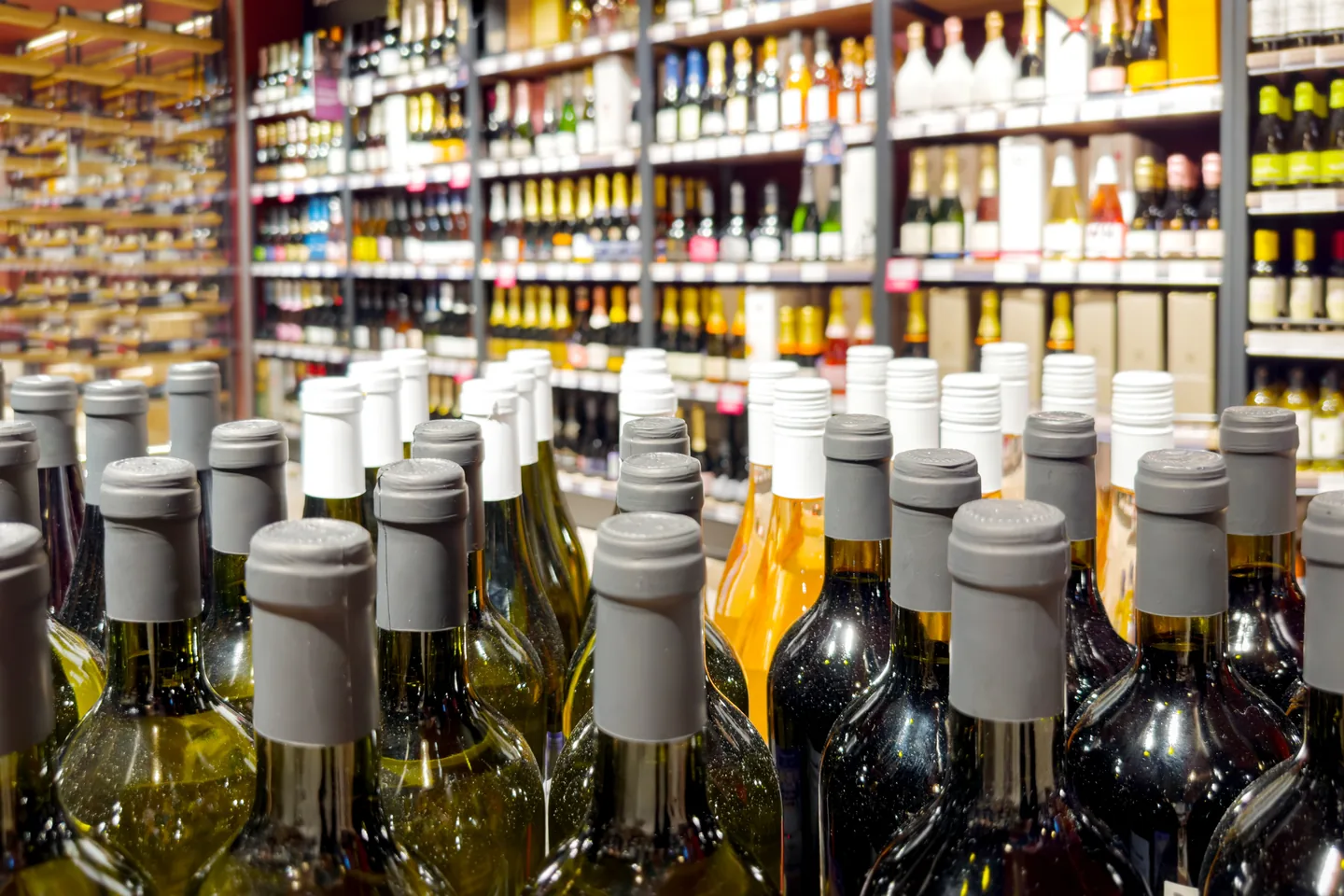
Can liquor stores advertise? Yes — and the more useful version of the question is what kind of limits an advertisement has to clear before it runs. Alcohol is among the more closely regulated products a retailer can sell, and the regulation does not stop at what goes in the bottle. It reaches the sign in the window, the copy on a social post, the wording of a promotion and, in some situations, who paid for the placement.
This post describes the kinds of constraint a package store meets and who to ask about each. It deliberately does not quote a rule. Advertising requirements come from more than a single source, they differ by state, and the version that applies to a specific store belongs to that store’s regulator rather than to an article.
Can liquor stores advertise? Yes, inside layered limits
Think of the constraints as layers rather than as a list, because they apply independently and clearing any of them does not clear the others.
The federal layer regulates alcohol advertising as part of the wider regulation of the alcohol industry. It is administered by the Alcohol and Tobacco Tax and Trade Bureau, which publishes guidance for the industry on its own site. That is the right place to start for anything with a federal dimension, and it is a primary source rather than a summary of somebody else’s reading.
The state layer is administered by the authority that issued your retail licence. For a retailer this layer is usually the one that bites hardest, because state alcohol regulation reaches operational detail: how product may be promoted, what may be said about price, what kinds of inducement are acceptable, and what has to appear on signage. These rules attach to the licence, which means a breach is not merely an advertising problem — it is a licensing problem.
The local layer is planning and sign regulation: size, illumination, placement, window coverage, sometimes proximity rules. This layer has nothing to do with alcohol as such and everything to do with the building, and it is enforced by people who are not the alcohol authority.
The platform layer is not law but binds you all the same. Search engines, social networks and advertising marketplaces set their own policies about alcohol content, age-gating, targeting and paid promotion, and they enforce them by removing content or suspending accounts without a hearing.
Separate layers, separate bodies, and satisfying the federal regulator says nothing about whether your city will let you light the sign.
The questions worth asking before the copy goes out
Because the rules differ, the practical skill is not memorising them. It is recognising which features of an advertisement attract scrutiny, so you know when to check rather than assume.
Is every statement in it accurate? The most durable rule in advertising of any kind is that claims should be true and not misleading, and that applies with particular force to a regulated product. Vague enthusiasm is generally safe. Specific assertions about the product, its origin, its production or its effects are where trouble starts.
Does it say anything about health? Claims that a product is good for you, treats a condition, is safer than an alternative, or carries a nutritional benefit belong to a heavily regulated category. This is the single easiest way for an ordinary retail post to stray somewhere it should not be, because the language often arrives second-hand from a supplier or a trend rather than from a considered decision.
Who is it aimed at? Content, imagery, placement and targeting that reach people who cannot legally buy alcohol are a persistent regulatory concern across the industry. Age-gating where a platform offers it, and thinking honestly about whether the imagery and tone are pitched at adults, are both worth doing before anyone else raises it.
Does it advertise price, discount or promotion? This is among the most variable areas of state alcohol regulation. What may be advertised about price, what forms of discount are permitted and how a promotion may be described are matters your state authority has views about, and those views are not uniform.
Who is paying for it? Money moving between suppliers, wholesalers and retailers is regulated on both the federal and state levels. Funded signage, branded fixtures, co-operative advertising and promotional support can all be perfectly ordinary, and they can also raise trade-practice questions. The cost of asking first is a phone call.
Where is it appearing? The same copy can be fine in a window, restricted on a public highway and refused by an advertising platform. Placement is a separate question from content.
None of those questions has a universal answer, which is the point. They are a triage list. Copy that makes no factual assertion, makes no health claim, is not pitched at anyone who cannot legally buy, says nothing about price or promotion and is paid for by you is unlikely to raise anything. Copy that trips any of them is worth a check with your licensing authority before it runs, and that check is a short conversation rather than a project.
It also helps to notice which of these questions are about the words and which are about the arrangement behind them. Accuracy, health claims and audience are matters of content, and you control them at the keyboard. Price advertising, funded placement and signage are matters of structure, and they need to be settled before anything is designed — a promotion you cannot lawfully advertise is a promotion you should not have built, and a sign paid for by a supplier raises its question regardless of what the sign says.
Who to ask, and why the answer is local
The body that issued your licence is the body that answers the day-to-day advertising questions, and its identity changes at the state line. That is precisely what the state pages are for — the Texas page and the Pennsylvania page among them, with the full directory covering the rest.
Ask before you print, not after. Regulators are generally more willing to discuss a proposal than to unwind a campaign that has already run, and the conversation is a matter of minutes. If the answer is not obvious from the guidance, treat that as a reason to ask rather than a reason to proceed.
For anything with a federal dimension — particularly arrangements involving suppliers or wholesalers, and anything touching what may be claimed about a product — the federal regulator publishes its own material at ttb.gov. Read the primary source rather than a secondary description of it.
Habits that keep a store out of trouble
Write the copy yourself, or read it properly if someone else writes it. Supplier-supplied material is written for a national audience and does not know what your state permits.
Keep a record of what ran and when. A dated folder of campaigns, signage photographs and post screenshots costs nothing and answers questions quickly if any ever arrive.
Brief anyone who posts on the store’s behalf. Content created by a member of staff or by someone paid to promote you is still your advertising in substance, whatever the platform calls it.
Be careful with anything that sounds like a health benefit or a safety comparison, even casually, even in a caption. That category is where an unremarkable post becomes a problem.
And separate the marketing decision from the licensing decision in your own head. A promotion that would work commercially is not thereby permitted, and the licence is worth more than the campaign.
Where advertising touches your coverage
Much of this is a compliance matter rather than an insurance one, but there is a seam worth knowing about.
There is a recognised category of liability coverage dealing with claims that arise out of the content of advertising — disputes about the use of somebody else’s material, or about what an advertisement said. That sits in the general liability part of the programme rather than in liquor liability, which is written for the alcohol exposure itself. The wording and the exclusions matter here, and they are worth reading before you need them rather than afterwards. The coverage overview explains how the parts of a package store programme divide.
A regulatory penalty is a different animal again. Fines and licence sanctions are generally not the kind of thing a liability policy is written to pay, which is another way of saying that the advertising rules are one of the risks you manage by getting it right rather than by insuring it. If you want to walk through how your programme is put together, start a quote or get in touch and we can go through the wording with you.
Frequently asked questions
Can a liquor store advertise at all?
Yes. Alcohol retailers advertise routinely, and there is no general prohibition on promoting a licensed store or the products it sells. What exists instead is a layered set of limits: federal regulation of alcohol advertising, state alcohol-authority rules that attach to your licence, local sign and zoning ordinances, and the advertising policies of whatever platform you are buying. Each layer has to be satisfied separately.
Who actually regulates alcohol advertising?
Regulation is shared. There is a federal layer administered by the Alcohol and Tobacco Tax and Trade Bureau, which publishes its own guidance for the industry, and a state layer administered by whichever authority issues your retail licence. Local government may add sign and zoning rules on top. For a retailer, the state alcohol authority is usually the most immediately relevant of these.
Can I advertise prices and discounts?
That is a state question and a genuinely variable one. Some states regulate how retail alcohol pricing may be advertised, what kinds of discount or promotion are permitted, and how a promotion may be described. Because those rules attach to your licence, the reliable move is to ask the authority that issued it before the promotion is printed rather than after it has run.
Can a supplier pay for my advertising or my sign?
Tread carefully. Payments and inducements flowing between suppliers, wholesalers and retailers sit inside federal and state trade-practice regulation, and an arrangement that looks like ordinary marketing support can raise questions. Before accepting funded signage, branded fixtures or co-operative advertising money, get the arrangement reviewed against the rules that apply to your licence.
What about social media and influencers?
The same substance rules apply regardless of medium, and the platforms add their own policies about alcohol content, age-gating and paid promotion. Content created by someone else on your behalf is still your advertising in substance, so brief anyone posting for the store on what may and may not be claimed, and require age-gating where the platform offers it.
Does advertising create any insurance exposure?
It can. Claims involving the content of advertising — for example use of someone else’s material or a dispute over what an advertisement said — fall into a recognised category of liability coverage rather than into the alcohol-specific policy. Read the relevant part of your general liability wording, and its exclusions, before you assume a marketing dispute would be covered.
About the author
