
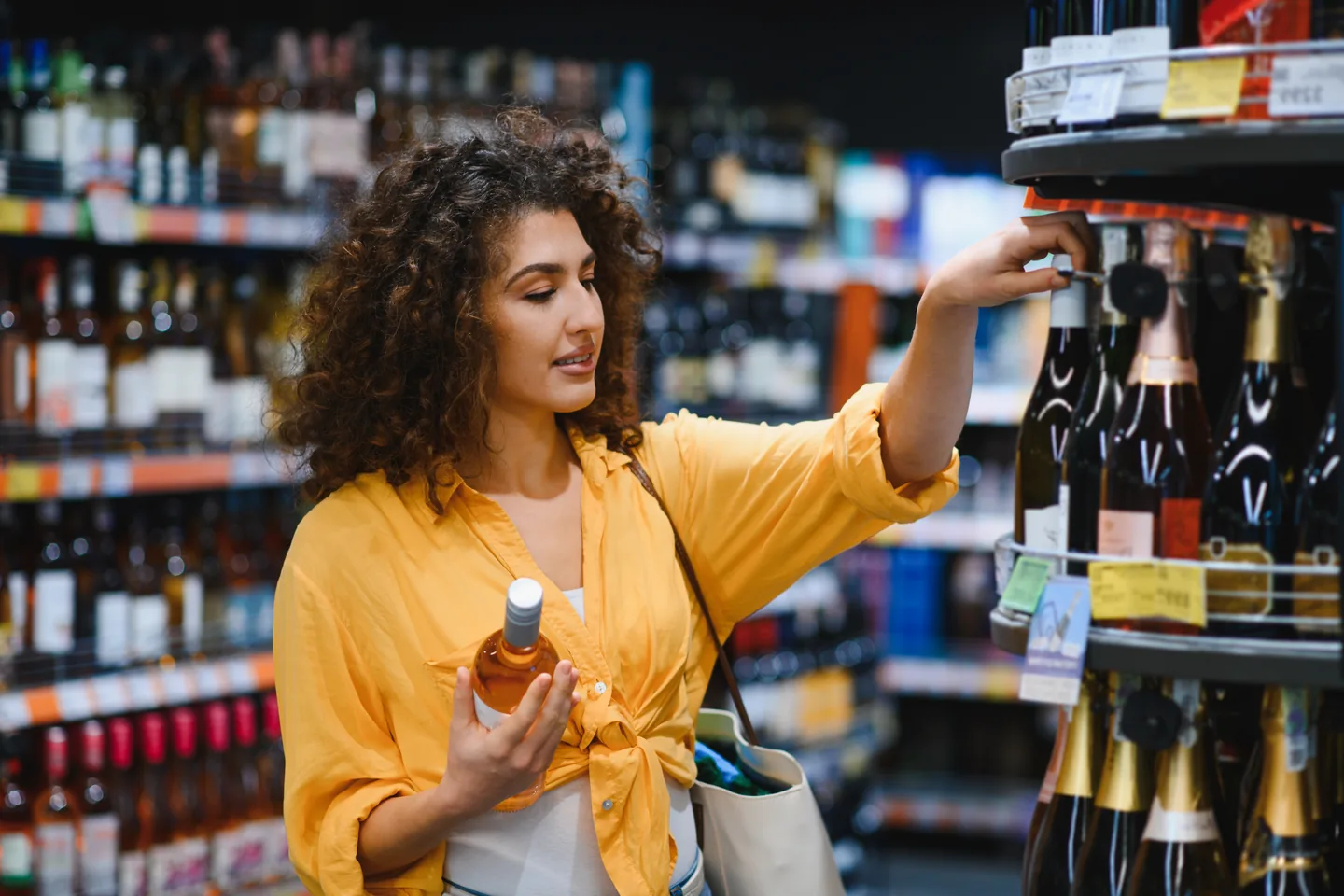

Alabama is unusual in a way that shapes a private store’s whole commercial position: the regulator is also a retailer. The board that writes your licence runs its own chain of stores, and between them those stores sell the majority of the liquor purchased in the state. A privately licensed shop here is not the only channel into the market; it is one of two, and the one operating under a licence rather than under the state’s own trading arm.
This page is shorter than most of our state pages, and deliberately so. Four of the seven facts we track for Alabama were confirmed from primary sources during research and three were not, because the state’s statute hosts could not be reached. Where the record is thin we say so and name the body that holds the answer. We do not fill the gap from memory, which is the whole point of publishing the trace table at the foot.
The two channels, and which one your licence sits in
The Alabama Alcoholic Beverage Control Board (Alabama ABC Board) was created by the legislature and controls alcoholic beverages in Alabama through three functions held in one place: distribution, licensing and enforcement. That concentration is the practical fact. In most states an owner deals with a licensing office for the permit and a separate arm for inspection. In Alabama the same body writes the rule, moves the product and checks the shelf.
Alongside that, the Board licenses commercial firms to sell alcoholic beverages, a group its own description runs from restaurants and nightclubs down to small stores selling beer for off-premises use. So the private lane exists, it is real, and it is defined by the class of licence held rather than by the format of the shop.
The off-premises classes as the Board lists them
The published fee schedule names the off-premises classes directly. Code 050 is retail beer, off premises only. Code 070 is retail table wine, off premises only. Code 060 sits between them as retail table wine, on or off premises. Those are the headings an Alabama owner is working under, and the class on the certificate is the first thing worth reading before anyone quotes the business.
It matters to the programme because the licence, not the signage, describes what is being sold across the counter. A shop trading under an off-premises beer class has a different product exposure from one holding a table wine class, and both differ from the state channel entirely. What the liquor section of a policy actually answers for is set out on the liquor liability page.
What Alabama liquor store insurance costs
We do not publish premium figures, here or on any other state page. A figure broad enough to fit every Alabama store tells you nothing, and a tight one is describing somebody else’s shop. What is worth publishing is the list of things that actually move the answer, because most of them are yours to change.
The licence class leads. A store trading under an off-premises beer class presents a different product exposure from one holding a table wine class, and the two rate differently before anything else is considered. Location follows immediately, and in Alabama location is largely a wind question: a Mobile or Baldwin County address brings a coastal property rating with a percentage deductible attached, while an inland address brings a hail and severe-thunderstorm rating with a flat one.
After that the operational variables. Trading hours, and particularly how late the last sale happens, because a store trading past midnight is answering a different question from one that closes at nine. Whether age verification is written down, trained before a new hire works a register unaccompanied, and backed by footage retained long enough to be worth producing. Whether anything is delivered, and how far. The building itself — age, roof, wiring and the condition of the refrigeration plant, all of which an underwriter will ask about and a survey will confirm.
Loss history closes it, and compliance history sits beside it. Inspections you passed are worth producing rather than waiting to be asked for; a clean record from a body that both licenses and enforces carries more weight than a general assurance does.
Three things this page will not tell you
Alabama’s dram-shop position is not stated here. No primary statutory text was obtained during research — every Alabama statute host we tried was unreachable — so the page carries no claim about who may sue an Alabama seller, on what standard, or within what period. A page that hedged that into a general sentence would be worse than silence, because a general sentence reads as an answer.
Whether Alabama conditions a retail licence on liquor liability cover is likewise unconfirmed. The body that issues and conditions the licence is the ABC Board, and that is where the question belongs before an owner relies on any answer, ours included. The absence of a verified requirement is not evidence that none exists.
Alabama’s workers compensation market structure was not confirmed either, so this page describes no mechanism for it. How that cover behaves for a business with employees is general rather than state-specific, and it is set out under workers compensation.
Common Alabama liquor store risks
With the legal questions unresolved, the honest place to look is the operating floor, and there the Alabama picture is legible. The register is the pressure point, because the off-premises classes put sealed product across a counter at volume and the check that matters happens in the seconds before the sale. Nothing about a thin statutory record changes that a mis-sold unit is the event a liquor section exists for.
Property exposure divides by latitude. On the Gulf Coast wind drives the property conversation, deductibles are commonly percentage-based, and a store’s entire stock is glass sitting on open shelving when the roof opens. Inland the story is severe thunderstorm and hail on roofs and rooftop refrigeration plant, plus the ordinary but expensive failure of a walk-in cooler taking cold stock with it. Structure, inventory and theft are one conversation here, and it happens inside the property section.
Anything on wheels is its own question. A store supplying outlying accounts across the southern counties is running distances a Birmingham shop never sees, and the exposure is the route rather than the premises. That sits on commercial auto, and hired-and-non-owned exposure is where owner-operated deliveries usually go uninsured without anyone intending it.
Common Alabama liquor store claims we see
Slip and fall in the aisle after a summer downpour tracks water in from the lot. Stacked display collapse, which sounds trivial until the customer is elderly. Lot incidents on shared pad sites, where the tenant next door draws the traffic and your policy draws the claim. Those are general liability files, and the alcohol exclusion sitting inside that form is the reason a separate liquor section exists beside it.
On the property side, coastal wind and inland hail dominate the severe end, while refrigeration breakdown and spoilage make up the frequent middle. Theft concentrates where unit values do, which in a beer-and-wine format is a different profile from a spirits-led one and is worth describing accurately on a submission rather than leaving an underwriter to assume.
Major Alabama liquor store markets
Birmingham and the Jefferson County suburbs
The state’s densest retail grid, and the one where a privately licensed beer and table wine store is most likely to be trading beside a state-run outlet rather than instead of one. Two channels serving the same street changes the mix a private shop carries, and a store whose revenue leans on chilled singles and cold-box turnover is rated on volume at the register rather than on shelf value.
Mobile and the Baldwin County coast
Wind is the governing property question here and it is priced separately from everything else in the programme. Deductibles on the coast are usually percentage-based rather than flat, which means a named-storm loss can leave a larger retained figure than an owner expects, and a store whose stock is glass on open shelving carries a contents loss that arrives with the building loss.
Huntsville and the Redstone corridor
A federal and contractor workforce with unusually high in-migration puts a wide range of out-of-state identification across the counter. Every unfamiliar credential format is a slower check and a likelier mistake, and the age-verification procedure an underwriter asks about is the one that has to hold up when the document is not the one the clerk sees every day.
Tuscaloosa and the university trade
A large resident student population concentrates the under-age exposure into a handful of streets and a handful of nights. Stores here tend to be small-format, high-frequency and staffed in part by the same age group they are checking, which is precisely the situation where written procedure and a second-person sign-off earn their keep.
Montgomery and the Black Belt routes
Towns sit further apart across the southern counties, so a store that delivers or that supplies outlying accounts is running longer legs than a metro equivalent. That pushes weight onto the vehicle side of the programme rather than the premises side, and it makes driver records a live underwriting question rather than a formality.
The Shoals and the Tennessee River towns
Florence, Muscle Shoals and the river towns trade on a visitor season built around the recording studios and the water, which means a customer mix that swings between settled local trade and out-of-state weekends. Older downtown units carry the property questions that come with a converted storefront — service age, roof, refrigeration in an envelope not designed for it — while the weekend swing puts the age check under load on exactly the shifts a store is most likely to be running its newest staff.
Why Alabama liquor store owners choose Liquor Store Guard Insurance
Because a national template would have told you what Alabama’s dram-shop rule says, and we are telling you that we could not read it from a primary source. That is not a smaller answer than the confident one — it is the difference between a page you can act on and a page that sounds like it. What we did confirm about the licence and the channel, we have set out, with the source beside each line. The rest of what a package store buys is broken out under liquor store insurance.
The insurer side belongs to the Alabama Department of Insurance — that is the desk for a question about a policy or a company, rather than about a licence. Every submission here is read by a licensed agent, and the reply says what the markets will actually do with it.
Where the Alabama trade meets its neighbours
- Mississippi liquor store insurance — a state that acts as its own spirits wholesaler.
- Georgia liquor store insurance — the licence state on Alabama’s eastern line.
- Tennessee liquor store insurance — the northern border trade.
- Florida liquor store insurance — the Gulf Coast wind market continues south.
How each Alabama claim on this page was verified
Each Alabama statement above is tied to one of the fields listed here, and each field records the page it was read off. Rows marked not verified are the questions this page deliberately declines.
| Claim on this page | Entry field | Primary source | Status |
|---|---|---|---|
| The Board runs state retail stores and also licenses private firms | control_state | alabcboard.gov | Verified |
| Licensing, distribution and enforcement sit in one agency | abc_agency | alabcboard.gov | Verified |
| Off-premises beer and table wine are separate listed licence classes | off_premises_licence_class | alabcboard.gov | Verified |
| The state insurance regulator | doi | www.aldoi.gov | Verified |
| Not stated on this page: any dram-shop rule | dram_shop_statute | no source recorded | Not verified |
| Not stated on this page: any licence insurance condition | liability_insurance_required | no source recorded | Not verified |
| Not stated on this page: the workers compensation market | wc_posture | no source recorded | Not verified |
The federal layer, and where it stops
Every liquor store is also a federal retail dealer. 27 CFR Part 31 requires a retail dealer in liquors to register at each place of business, on TTB Form 5630.5d. It matters commercially because of section 31.181: a retail dealer keeps records of receipt, and those are the same records a stock loss is proved from. In Alabama the licence itself comes from the Alabama Alcoholic Beverage Control Board, and the federal registration is separate from it — neither one satisfies the other.
Related reading
Alabama liquor store insurance FAQs
Does Alabama sell liquor itself, or only license stores?
Both, and that is the fact a programme has to start from. The ABC Board’s own description of itself has it operating a chain of retail stores that sell the majority of liquor purchased in Alabama, while also licensing commercial firms — restaurants, nightclubs and small stores selling beer for off-premises use. A private Alabama store therefore sits alongside a state channel rather than replacing it.
Which licence classes cover off-premises sale in Alabama?
The Board’s published fee schedule lists retail beer, off premises only, as code 050, and retail table wine, off premises only, as code 070. A third class, code 060, covers retail table wine on or off premises. Which of those a store holds sets what it may sell in sealed containers, and that in turn sets what the liquor section of a policy is actually responding to.
Who issues and enforces the licence in Alabama?
The Alabama Alcoholic Beverage Control Board. It was legislatively created, and it controls alcoholic beverages in the state through distribution, licensing and enforcement — all three functions in one body. For an owner that matters because the agency writing your licence conditions is also the agency that inspects against them, so a compliance record and a licensing record are the same record.
Is liquor liability cover a condition of an Alabama licence?
We did not verify that either way, and we will not guess at it. No primary Alabama text stating or excluding an insurance condition on a retail licence could be obtained during research, so this page does not answer it. The body that issues and conditions the licence is the ABC Board, and that is where to put the question before you rely on any answer.
Who regulates the insurance itself in Alabama?
The Alabama Department of Insurance. The distinction is worth holding: the ABC Board governs whether you may sell, and the Department of Insurance governs the carriers and the policies that stand behind you when something goes wrong. A licensing question goes to the first, a question about a policy form or a company’s standing goes to the second.
Does buying through the state channel change what an Alabama store insures?
It changes the shape of the stock rather than the existence of it. The ABC Board operates state retail liquor stores and supplies the liquor side, while beer and table wine for off-premises sale run through licensed private retail. A store working both channels holds inventory arriving on two different schedules, and the property section has to be set for the larger of them rather than for an average. The liability side is unchanged: the age check is the age check either way.